Personal Protective Equipment Required When Working With Cranes – and the Reasons Why
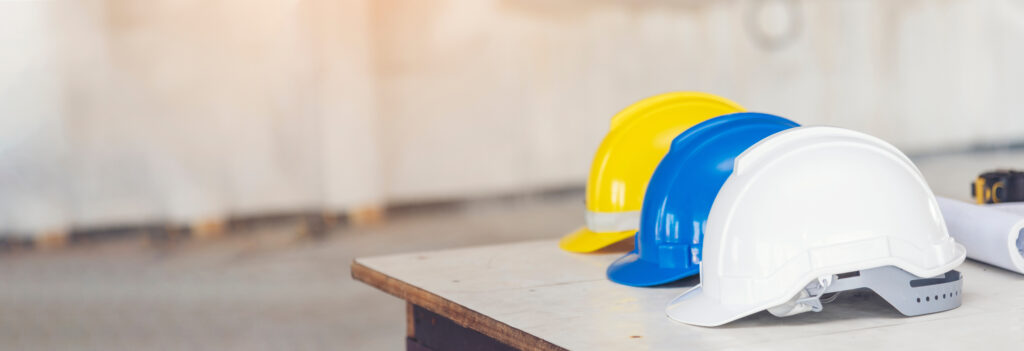
1. Hard Hat
This one seems like a no brainer (pun intended). But in all seriousness, there are many unforeseen hazards that must be taken into consideration when working under the boom of a crane.
Falling objects – Tools from the crane assembly, pins and keepers, debris from travel, unused rigging, and unsecured pieces from the load itself are just a few of the possible items that may fall during a lifting operation.
Struck by – The hook, rigging, load, and the crane’s rotating upper structure are all items that are in motion at head height during a lifting operation.
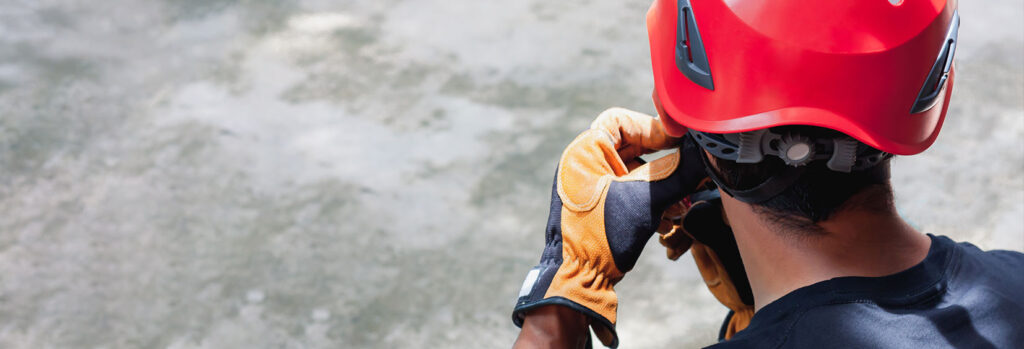
2. Gloves
During crane set up, rigging, and load handling, your hands are the tools that get the job done. That is why it is highly recommended that you wear gloves during these activities.
Cuts and stabs – Anytime you handle rigging, you are subject to this potential hazard. Cable slings are notorious for cutting and stabbing, but synthetic slings can also cause injury. Foreign material can become lodged into the synthetic sling, thus increasing the risk of cutting and stabbing.
Caught between – When assembling or attaching rigging, your hands will work in close proximity to pinch points. For this reason, it is never a good idea to place your hands or fingers between the rigging and the load.
Friction burn – If you are controlling the load via a tagline, you need to wear gloves to avoid “rope burn”. Foreign material can become lodged into the tagline, thus increasing the risk of friction burn, cuts and stabs.
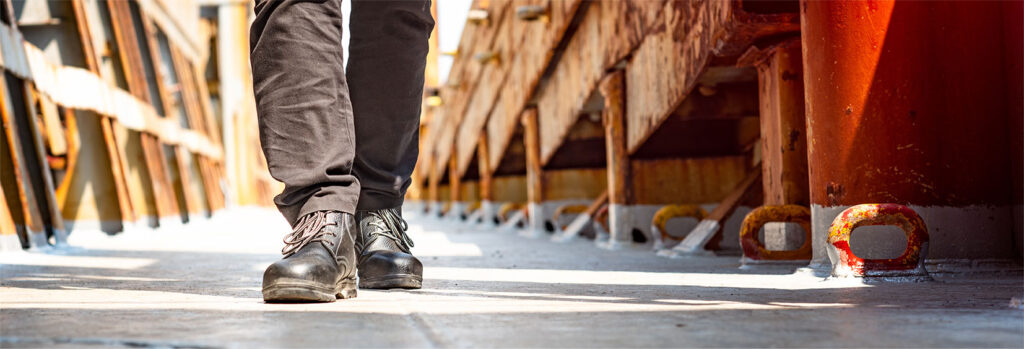
3. Steel Toe Boots
All job sites require appropriate footwear. When a crane is on-site, it adds yet another set of reasons to protect your feet. From placing heavy wood, steel, or synthetic mats during set up, to landing the load at its final destination, the hazards are continuous. Therefore, it is a must to protect your feet every step of the way.
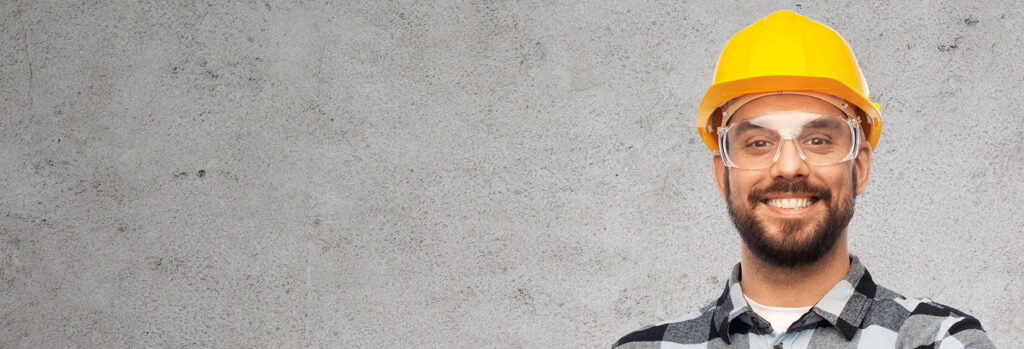
4. Safety Glasses
Dust and dirt can become airborne during the lifting process, therefore it is a must to wear safety glasses on-site. Sunlight can obstruct your view. Whether you are using your hand signals or operating the crane, safety glasses with a polarized lens can help diminish the sun’s effects to allow a clearer view of the crane and the load.
5. High Visibility Clothing
When using your hand signals, it is essential that the crane operator is able to readily identify you. While not a requirement at every jobsite, it does improve safety when the operator can easily spot you and all other individuals in the vicinity.
We use cookies on our website to provide you with the best possible user experience. By continuing to use our website or services, you agree to their use.