A Guide to Understanding Crane Hand Signals for Safety on the Job Site

crane-hand-signals

At Pro Crane, safety is our top priority. Effective communication is crucial when operating cranes, especially in busy work environments. One of the most reliable methods of communication is through standardized hand signals. These signals help ensure that everyone on the job site is on the same page, promoting a safe and efficient work environment.

Here’s a list of essential crane hand signals, adapted from the OSHA Training School, to help you and your team stay safe while working with cranes:

Stop Signals in Crane Handling

  1. Stop: Stretch out your arm with the palm facing down, then swing it side to side, touching your chest and returning to the starting position.

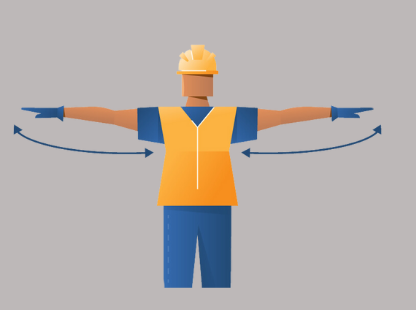
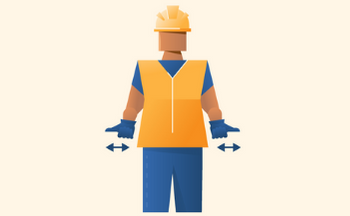
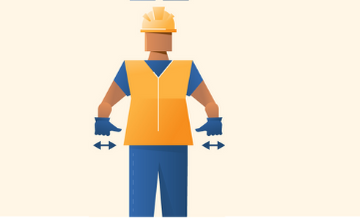
2. Emergency Stop: Hold your arms out straight to the sides, palms down, and swing them from side to side.

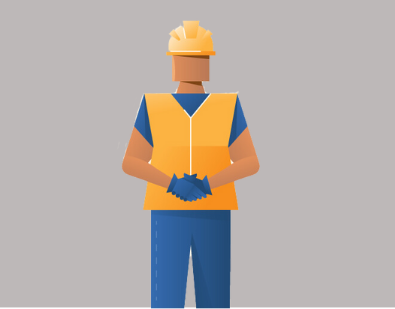
3. Dog Everything: Interlock your hands at waist level.

Boom and Load Signals in Crane Handling

4. Raise Boom: Outstretch your arm, raise your thumb, and tightly clench your fist.

5. Lower Boom: Reach your arm out, flip your thumb downward, and tightly close your fist.

6. Swing Boom: Point your index finger outward to indicate the swing direction, keeping your arm stretched.

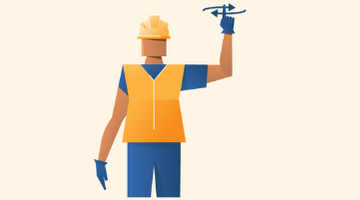
7. Hoist Load: Lift one arm high and rotate your index finger upward in small circles.

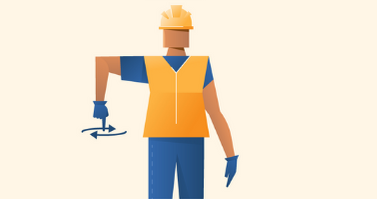
8. Lower Load: With one arm hanging by your side, direct your finger downward and rotate it in small circles.

9. Raise the Boom and Lower the Load: Arm out to the side, thumb pointing up, fingers opening and closing smoothly.

10. Lower the Boom and Raise the Load: Arm out to the side, thumb pointing down, fingers opening and closing smoothly.

11. Telescope Out:Position your hands at waist level, thumbs directing outward, with fists clenched.

12. Telescope In:Position your hands at waist level, thumbs directing inward, with fists clenched.

These hand signals provide a visual means of communication that can be understood even from a distance, reducing the risk of misunderstandings that could lead to accidents.

For more detailed information on crane hand signals and safety practices, please visit the OSHA Training School website: OSHA Training School Blog on Crane Hand Signals.

At Pro Crane, we are dedicated to maintaining the highest safety standards on our job sites. By understanding and utilizing these hand signals, we can work together to ensure a safe working environment for everyone. If you have any questions about crane safety or our services, feel free to reach out!

Stay safe and lift smart!