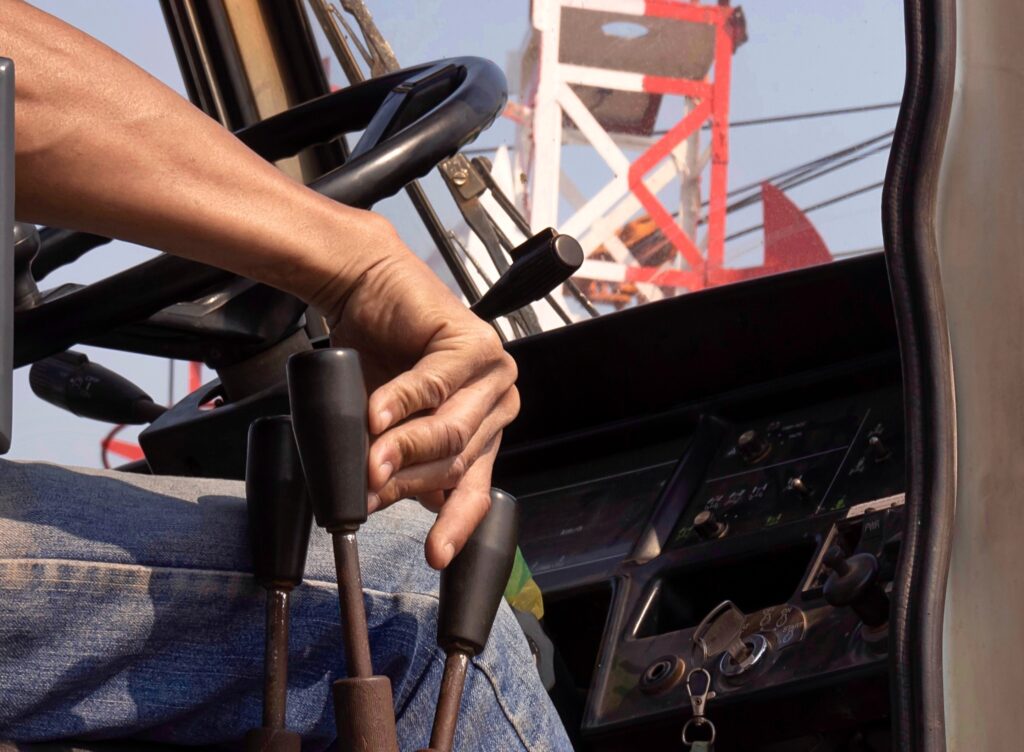
🦺 Top 5 Crane Safety Practices Every Operator Should Know
At Pro Crane, safety isn’t just another checklist, it’s the foundation of every lift. We follow industry-leading standards, including OSHA’s crane regulations, to ensure every job is executed with precision and care.
1. 🛠️ Conduct Thorough Pre‑Operation Inspections
OSHA requires a pre‑operational equipment check for all cranes and hoists to identify defects before work begins—this includes examining wire ropes, hooks, hydraulic systems, controls, and safety devices.
At Pro Crane, we follow a rigorous daily checklist to catch issues early and prevent breakdowns or hazards.
2.📚 Ensure Proper Operator Training & Certification
Under OSHA Standard 29 CFR 1926.1427(a), all crane operators must be trained, certified/licensed, and evaluated before operating any crane. We partner with accredited programs like NCCCO to guarantee our operators are qualified, competent, and equipped to handle a variety of lifts.
3. ⚖️ Always Stay Within Rated Capacity
OSHA mandates that cranes must never exceed their rated capacity, with operators required to verify load limits using manufacturer specs, load indicators, or moment limiters. Our team uses real-time indicators and double-checks calculations for lifts—especially those approaching capacity thresholds.
4. 🔄 Use Approved Operational Aids & Prevent Two‑Blocking
To reduce risks, OSHA enforces the use of operational safety aids such as boom/radius indicators, anti‑two‑block devices, and marked hoist lines. We maintain these systems per OSHA timelines repairing category I aids within 7 days and category II aids within 30 days to help our operators maintain safe lift paths and avoid dangerous conditions like two-blocking.
5. 📢 Maintain Clear Communication & Use Spotters
OSHA highlights the importance of proper hand signals and clear communications between the operator and ground crew, particularly when working close to obstructions or power lines. When cranes operate near hazards like power lines or travel end‑stops OSHA requires dedicated spotters in direct communication with the operator. At Pro Crane, every team uses standardized signals or radios to coordinate lifts and ensure everyone stays informed.
đźš§ Our Safety Commitment
By implementing OSHA’s proven guidelines and pairing them with our own strict safety protocols, Pro Crane guarantees:
Reliable gear and fully certified crews
Precise load control with modern aids
Proactive communication and hazard avoidance
Safety is a shared responsibility and our team is committed to upholding it on every project.
Curious how we apply these standards to your next lift? Contact Pro Crane today
For more detailed crane safety standards and regulations, visit these OSHA resources:
General Requirements for Crane Operations – 29 CFR 1926.1417
Cranes Near Power Lines & Spotter Requirements – 29 CFR 1926.1435
Â